
Optimal Timing for Storm Restorations
Timing for storm restorations is crucial to ensure safety, effectiveness, and cost-efficiency. The optimal period depends on weather patterns, regional climate, and the specific nature of storm activity in Pataskala, Ohio. Typically, the late summer and early fall months see increased storm activity, making preparation and restoration efforts most urgent during this time.
Spring months often bring unpredictable weather, including thunderstorms and windstorms, making early preparation essential for minimizing damage.
Summer is the peak storm season in Ohio, with increased risk of severe weather events requiring timely restoration efforts.
Early fall offers a window to complete storm restorations before winter weather complicates repairs and delays.
Winter storms, including snow and ice, can cause additional damage and pose safety risks, often requiring specialized restoration approaches.
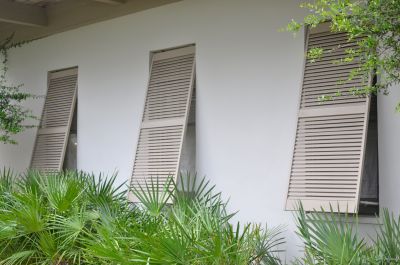
Ways to make Storm Restorations work in tight or awkward layouts.

Popular materials for Storm Restorations and why they hold up over time.
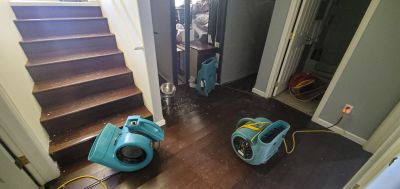
Simple add-ons that improve Storm Restorations without blowing the budget.

High-end options that actually feel worth it for Storm Restorations.

Finishes and colors that play nicely with Storm Restorations.

Little measurements that prevent headaches on Storm Restorations day.
Storm restorations involve repairing and restoring properties affected by severe weather events. This process includes assessing damage, removing debris, repairing structural components, and restoring utilities. Effective restoration minimizes long-term damage, preserves property value, and enhances safety. Ohio experiences frequent storms, including thunderstorms, windstorms, and occasional tornadoes, making timely response critical.
Statistics indicate that Ohio faces an average of over 20 severe weather events annually, with storm damage costs reaching millions of dollars each year. Prompt restoration not only reduces repair costs but also limits secondary issues like mold growth, structural deterioration, and safety hazards. Planning restoration efforts during optimal weather windows ensures efficient work and reduces downtime.

A 60-second routine that keeps Storm Restorations looking new.
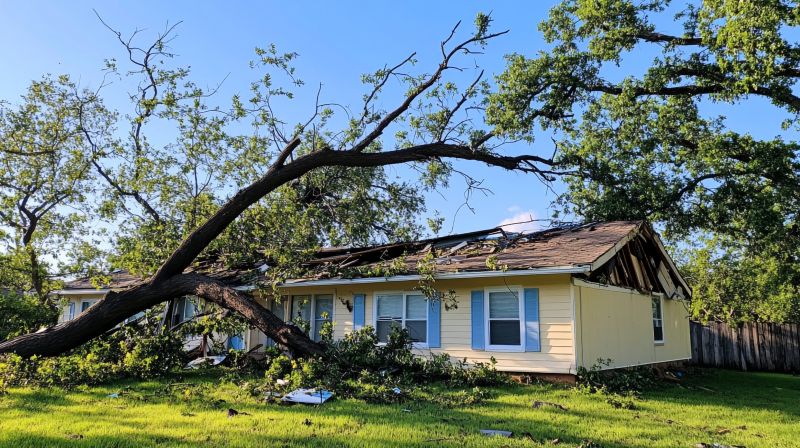
A frequent mistake in Storm Restorations and how to dodge it.
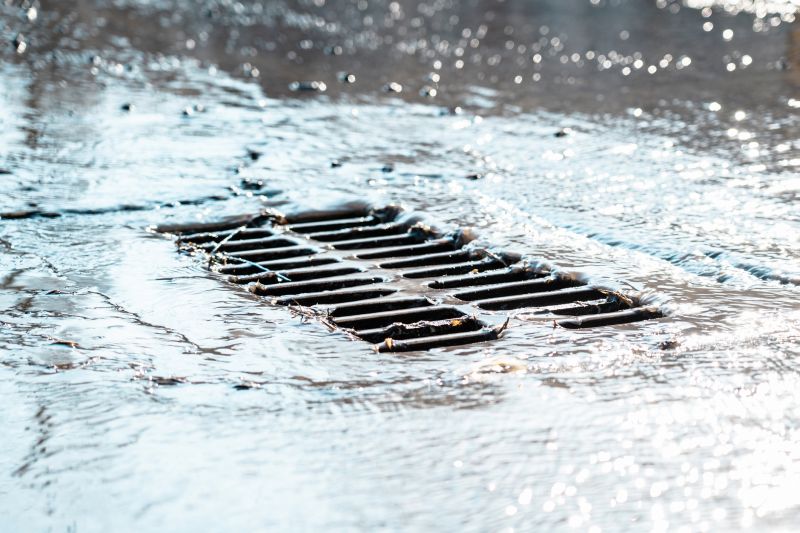
Small tweaks to make Storm Restorations safer and easier to use.

Lower-waste or water-saving choices for Storm Restorations.
| Storm Type | Optimal Restoration Period |
|---|---|
| Thunderstorms | Spring and Summer |
| Windstorms | Spring through Fall |
| Tornadoes | Spring and early Summer |
| Ice Storms | Winter |
| Snow Storms | Winter |
| Post-Storm Damage | Immediately after storm events |
Understanding the best timing for storm restorations can significantly impact the effectiveness of repairs. Planning ahead for the seasons with higher storm activity ensures readiness and minimizes disruption. Proper timing also helps in managing costs and safety considerations, making it essential for property owners in Pataskala to stay informed about regional weather patterns.

The short, realistic tool list for quality Storm Restorations.
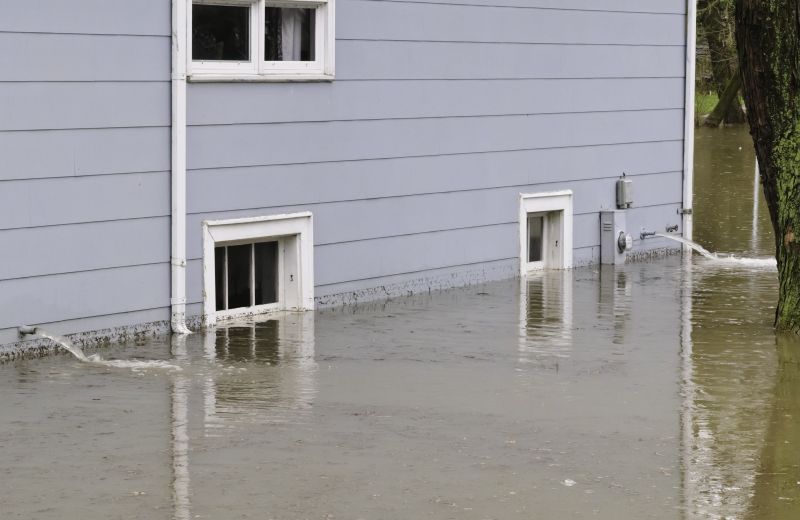
Rough timing from prep to clean-up for Storm Restorations.

Quick checks and paperwork to keep after Storm Restorations.
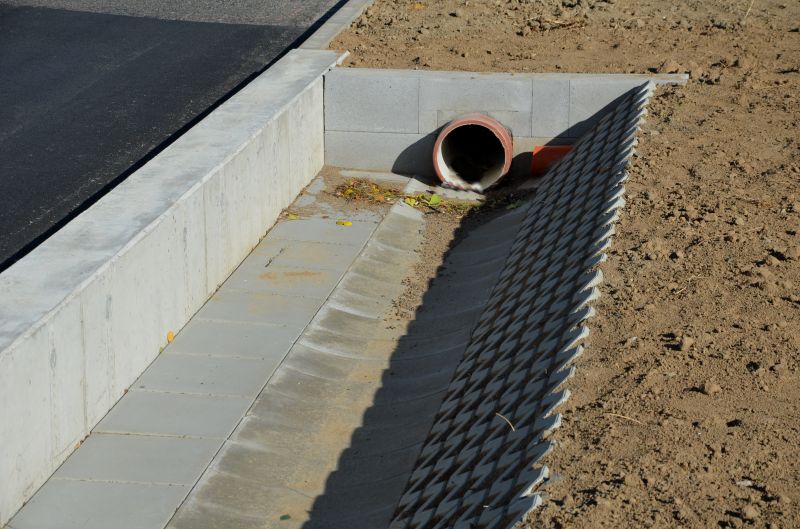
Examples that show the impact a good Storm Restorations can make.
Interested property owners or managers are encouraged to contact for more information on storm restoration planning and services. Timely action during the appropriate seasons can help mitigate damage and expedite recovery efforts, ensuring properties are restored efficiently and effectively.